Lynne Baab
resources for personal spirituality
and for congregational leaders

search this site:






Communal discernment of the heart of the Gospel, parts 1 and 2
Lynne Baab • Thursday May 28 2026

Overall theme for the next few months: God’s law is love
Lesson 9: Communal discernment of the heart of the Gospel, parts 1 and 2 (Acts 15:1-21)
Key verse: “God, who knows the human heart . . . has made no distinction between them and us.” Acts 15:8-9
Stepping into the Word
Communal decision-making is seldom easy. Families who try to decide together about the location for a vacation know this. Anyone who has participated in committee meetings at work or at church has experienced this.
Kerry and Jamie serve on the board of their church, and they have found that they frequently have different perspectives. Kerry, a long term member, looks back on the stability that the congregation brought to its local community in years past: “We were a beacon for the community. We offered space for the Boy Scouts and AA. Keeping our building in good repair and offering it to the community has always been a significant part of our mission, and that should continue.”
Jamie, who works in a business close to the church, sees that the community has changed: “I’d like us to go out into our community and try to figure out what people are longing for. We can’t always do things like we used to. We have to shift and change as people’s needs change.”
Kerry is aware of the congregation’s rich heritage of service to the neighborhood through its building. Jamie is aware of changes in the community that surrounds the congregation. They bring these concerns to the conversations and debates on their church board. With the other elders, they try to discern where God is calling them now.
Acts 15 describes a communal decision-making process in the early church in Jerusalem with some of the same issues at stake. Some Jewish Christians feel strongly about their Jewish heritage, particularly obedience to the Old Testament law, and they want to reinforce this among Gentile converts. Paul has been travelling in Asia Minor and is aware of the unexpected and beautiful work of the Holy Spirit in Gentile converts. In the council in Jerusalem the elders and apostles discuss the theological issues underlying this conflict between tradition and the current situation. God’s grace is at stake.
Creative God, help us see what your Holy Spirit is doing around us today. God of grace, help us ground out ministries in your gift to us in Jesus.
Communal Decision Making in Jerusalem
Paul’s first missionary journey is described in Acts 13 and 14 and includes Cyprus, several cities in Asia Minor, and Antioch in Syria. Acts 15 opens in Antioch. Several Jewish Christians from Judea come for a visit, and they insist that the new Gentile Christians in Antioch must be circumcised (Acts 15:1). This causes so much dissention that Paul and Barnabas are appointed to travel to Jerusalem to confer with the church leaders there. Their route enables visits with believers in Phoenicia and Samaria, where Paul and Barnabas bring encouraging stories of God’s work among the Gentiles in Cyprus, Asia Minor, and Antioch. When Paul and Barnabas arrive in Jerusalem, they tell the same stories.
In Jerusalem, Paul encounters members of the group who had sent emissaries to Antioch. These Jewish Christians stress that that Gentile converts should be circumcised and “ordered to keep the law of Moses” (v. 5). Circumcision was a widespread requirement for those converting to Judaism. It would have been a natural assumption that followers of the Messiah of Israel would undergo circumcision. Paul’s perspective on this issue was quite radical and ultimately transformative for the young church.
Acts 15 presents the perspective of Luke, the author of Acts, on the events that Paul narrates in Galatians. Whereas Paul’s letter captures the sense of urgency he felt over this dispute, Luke’s aim is to show the unity of the church as they wrestle with pressing and controversial theological questions.
The apostle Peter’s speech in verses 7 to 11 complements Paul’s reports about the spread of the Gospel among the Gentiles. Peter stresses that God gave the Gentiles the Holy Spirit, “cleansing their hearts by faith” (v. 9), which is reminiscent of Paul’s argument that the experience of receiving the Spirit (Galatians 3:2) and the internal “spiritual” circumcision of the heart (Romans 2:29) are sufficient proof of being in Christ. Similarly, Peter emphasizes that God makes no distinction between Jew and Gentile (v. 9, see Galatians 3:28). Peter emphasizes that “we will be saved through the grace of the Lord Jesus,” Jews and Gentiles alike (v. 11).
The council decides that there are some essential elements of the law: “to abstain only from things polluted by idols and from fornication and from whatever has been strangled and from blood” (v. 20). These are the laws followed by God-fearers “in every city” (v. 21). While these are not the means of salvation, they remain the ethical requirements expected of Gentile converts, so that they can stand in unity and solidarity with their Jewish Christian brothers and sisters (see 1 Corinthians 10:14-23).
Have you experienced a communal decision-making process about issues or questions related to God’s grace?
֍ ֍ ֍
Next week: Communal discernment of the heart of the Gospel, parts 3 and 4. Illustration by Dave Baab (a wonderful tribute to Dave and his art is here): Oban Presbyterian Church, Stewart Island, New Zealand.
Three of the posts in my series “Drawing near to God with the heart”:
This lesson appeared in the Fall 2023 edition of The Present Word adult Bible study curriculum published by the Presbyterian Publishing Corporation. Used with permission.
֍ ֍ ֍
Two ways to subscribe.
If you’d like to receive an email when I post on this blog, sign up below under “subscribe.” That email and the posts on this blog are free and accessible for all.
If you’d like to help me cover the expenses for this blog and website, plus get a bonus post every month, you can subscribe on Patreon for $3 or $6 per month. My bonus posts focus on one or more of the hundreds of vivid quotations I’ve collected over five decades.
Next post »« Previous post
Subscribe to updates
To receive an email alert when a new post is published, simply enter your email address below.

Lynne M. Baab, Ph.D., is an author and adjunct professor. She has written numerous books, Bible study guides, and articles for magazines and journals. Lynne is passionate about prayer and other ways to draw near to God, and her writing conveys encouragement for readers to be their authentic selves before God. She encourages experimentation and lightness in Christian spiritual practices. Read more »
Quick links:
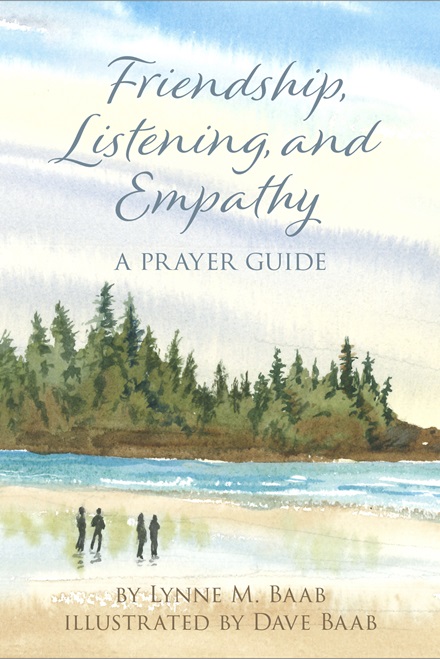
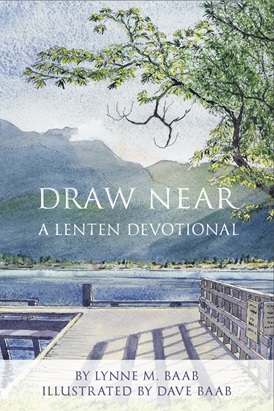
- Two latest books: Draw Near: A Lenten Devotional and Friendship, Listening and Empathy: A Prayer Guide (illustrated with Dave Baab's beautiful watercolors)
- Most popular book, Sabbath Keeping: Finding Freedom in the Rhythms of Rest (audiobook, paperback, and kindle)
- quick overview of all Lynne's books
- more than 50 articles Lynne has written for magazines on listening, Sabbath, fasting, spiritual growth, resilience for ministry, and congregational communication
You can listen to Lynne talk about these topics:
"Lynne's writing is beautiful. Her tone has such a note of hope and excitement about growth. It is gentle and affirming."
— a reader
"Dear Dr. Baab, You changed my life. It is only through God’s gift of the sabbath that I feel in my heart and soul that God loves me apart from anything I do."
— a reader of Sabbath Keeping
Subscribe
To receive an email alert when a new post is published, simply enter your email address below.
Featured posts
- Drawing Near to God with the Heart: first post of a series »
- Quotations I love: Henri Nouwen on being beloved »
- Worshipping God the Creator: the first post of a series »
- Sabbath Keeping a decade later: the first post of a series »
- Benedictine spirituality: the first post of a series »
- Celtic Christianity: the first post of a series »
- Holy Listening »
- A Cat with a Noble Character »
- Welcome to my website »
Tags
Archive
- October 2026 (1)
- September 2026 (6)
- August 2026 (4)
- July 2026 (5)
- June 2026 (5)
- May 2026 (5)
- April 2026 (3)
- March 2026 (3)
- February 2026 (2)
- January 2026 (6)
- December 2025 (6)
- November 2025 (4)
- October 2025 (3)
- September 2025 (5)
- August 2025 (4)
-
July 2025 (6)
- Praying about the flow of time: Praying about AND — again
- Praying about the flow of time: Praying for our ordinary lives
- Praying about the flow of time: Wind and water
- Praying about the flow of time: Paying attention to our stories
- What I learned from the past year's blog posts
- First post in a new series: Journey
- June 2025 (4)
- May 2025 (4)
- April 2025 (4)
- March 2025 (5)
- February 2025 (4)
- January 2025 (5)
- December 2024 (3)
-
November 2024 (5)
- Praying about the flow of time: Small actions with big benefits
- Praying about the flow of time: The overlap of the sacred and the ordinary
- Praying about the flow of time: The joy of the kingdom of God
- Praying about the flow of time: Advent can be confusing
- Praying about the flow of time: Why Jesus had to come
-
October 2024 (5)
- Praying about the flow of time: Rosh Hashanah, the Jewish New Year
- Praying about the flow of time: A month of celebrating renewal and moral responsibility
- Praying about the flow of time: The Feast of Tabernacles calls us to stay fluid and flexible
- Praying about the flow of time: Daily rhythms of prayer
- Praying about the flow of time: All Hallows Eve and All Saints Day
- September 2024 (3)
- August 2024 (5)
- July 2024 (3)
- June 2024 (5)
- May 2024 (5)
- April 2024 (4)
-
March 2024 (5)
- Friendship, loneliness, and prayer: Praying about distractions from empathy
- Friendship, loneliness, and prayer: Praying to keep empathy flowing
- Friendship, loneliness, and prayer: Everyday initiative
- Friendship, loneliness, and prayer: Praying for guidance for ending conversations
- Friendship, loneliness, and prayer: Reflecting on the series
- February 2024 (4)
- January 2024 (2)
-
December 2023 (6)
- Friendship, loneliness, and prayer: Initiating
- Friendship, loneliness, and prayer: Praying about listening roadblocks
- Friendship, loneliness, and prayer: Praying to love the poverty in our friends
- Friendship, loneliness, and prayer: Praying for “holy curiosity”
- Friendship, loneliness, and prayer: Praying for “holy listening”
- Friendship, loneliness, and prayer: Praying to give affection extravagantly
- November 2023 (4)
-
October 2023 (5)
- Friendship, loneliness and prayer: A listening skill with two purposes
- Friendship, loneliness, and prayer: Saying “thank you” to friends
- Friendship, loneliness, and prayer: One more way reflecting helps us
- Friendship, loneliness, and prayer: Lessons from two periods of loneliness
- Friendship, loneliness, and prayer: Types of reflecting, a listening skill
- September 2023 (4)
- August 2023 (4)
- July 2023 (5)
- June 2023 (3)
- May 2023 (6)
- April 2023 (4)
- March 2023 (4)
- February 2023 (4)
- January 2023 (4)
- December 2022 (5)
- November 2022 (1)
- October 2022 (5)
- September 2022 (5)
-
August 2022 (6)
- Draw near: Confessing sin without wallowing
- Draw near: A favorite prayer about peace, freedom, and much more
- Drawing near with Desmond Tutu: God’s love is the foundation for prayer
- Draw near: Worshipping God with Desmond Tutu
- Draw near: Yearning, beseeching and beholding with Desmond Tutu
- Draw near: Praising God with Desmond Tutu
- July 2022 (2)
- June 2022 (6)
- May 2022 (5)
- April 2022 (6)
- March 2022 (5)
- February 2022 (4)
- January 2022 (3)
- December 2021 (5)
- November 2021 (4)
- October 2021 (5)
- September 2021 (4)
- August 2021 (4)
- July 2021 (4)
- June 2021 (4)
- May 2021 (4)
- April 2021 (5)
- March 2021 (4)
- February 2021 (4)
- January 2021 (4)
- December 2020 (5)
- November 2020 (3)
- October 2020 (5)
- September 2020 (4)
- August 2020 (4)
- July 2020 (5)
- June 2020 (4)
-
May 2020 (4)
- Spiritual diary of sheltering in place: The lifeline of separating thoughts from feelings
- Spiritual diary of sheltering in place: The lifeline of welcoming prayer
- Spiritual diary of sheltering in place: a kite string as a lifeline
- Spiritual diary of sheltering in place: The lifeline of God’s distant future
-
April 2020 (7)
- Spiritual diary of self-isolation: the lifeline of God’s constancy
- Spiritual diary of sheltering in place: The lifeline of accepting my place as a clay jar
- Spiritual diary of sheltering in place: the lifeline of memories
- Spiritual diary of sheltering in place: the lifeline of “Good” in “Good Friday”
- Spiritual diary of sheltering in place: The lifeline of “easier does not mean easy”
- Spiritual diary of sheltering in place: The lifeline of nature
- Spiritual diary of sheltering in place: the lifeline of God’s voice through the Bible
-
March 2020 (7)
- Important anniversaries in 2020: The first Earth Day in 1970
- Important anniversaries in 2020: Florence Nightingale was born in 1820
- Spiritual diary of self-isolation: Weeks 1 and 2
- Spiritual diary of self-isolation: God's grace as a lifeline
- Spiritual diary of self-isolation: The lifeline of limits on thoughts
- Spiritual diary of self-isolation: Wrestling with God for a blessing
- Spiritual diary of self-isolation: Responding to terror by listening to Jesus voice
- February 2020 (4)
- January 2020 (5)
- December 2019 (4)
- November 2019 (4)
- October 2019 (5)
- September 2019 (4)
- August 2019 (5)
- July 2019 (4)
- June 2019 (4)
- May 2019 (5)
- April 2019 (4)
- March 2019 (4)
- February 2019 (4)
-
January 2019 (5)
- Nurturing friendships in a cellphone world: Jesus as Friend
- Nurturing friendships in a cellphone world: Friendship with Christ and friendship with others
- Nurturing friendships in a cellphone world: Who is my neighbor?
- Nurturing friendships in a cellphone world: Friendship as action
- Nurturing friendships in a cellphone world: Hymns that describe friendship with God
- December 2018 (3)
-
November 2018 (5)
- Connections between the Bible and prayer: Sensory prayer in Revelation
- First post in a new series: Nurturing friendships in a cellphone world
- Nurturing friendships in a cellphone world: Strong opinions and responses
- Nurturing friendships in a cellphone world: My conversation partners about friendship
- Nurturing friendships in a cellphone world: Two views about communication technologies
- October 2018 (4)
- September 2018 (4)
-
August 2018 (5)
- Providing Christian Care in Our Time
- Providing Christian care in our time: Seven trends in pastoral care today
- Providing Christian Care in Our Time: Skills for Pastoral Care
- Providing Christian care: The importance of spiritual practices
- First post in a new series: Connections between the Bible and prayer
- July 2018 (4)
- June 2018 (4)
- May 2018 (5)
- April 2018 (4)
- March 2018 (5)
- February 2018 (4)
- January 2018 (4)
- December 2017 (5)
- November 2017 (4)
- October 2017 (4)
- September 2017 (5)
- August 2017 (4)
- July 2017 (4)
- June 2017 (4)
-
May 2017 (5)
- My new spiritual practice: Separating thoughts from feelings
- My new spiritual practice: Feeling the feelings
- My new spiritual practice: Coping with feelings that want to dominate
- My new spiritual practice: Dealing with “demonic” thoughts
- My new spiritual practice: Is self-compassion really appropriate for Christians?
- April 2017 (4)
- March 2017 (5)
- February 2017 (4)
- January 2017 (4)
- December 2016 (5)
- November 2016 (4)
- October 2016 (4)
- September 2016 (5)
- August 2016 (4)
- July 2016 (4)
- June 2016 (4)
- May 2016 (5)
- April 2016 (4)
- March 2016 (5)
- February 2016 (4)
- January 2016 (4)
- December 2015 (4)
- November 2015 (4)
- October 2015 (5)
- September 2015 (4)
- August 2015 (4)
- July 2015 (4)
- June 2015 (4)
- May 2015 (4)
- April 2015 (6)
- March 2015 (4)
- February 2015 (4)
- January 2015 (4)
- December 2014 (5)
- November 2014 (4)
- October 2014 (4)
- September 2014 (4)
- August 2014 (5)
- July 2014 (4)
- June 2014 (7)