Lynne Baab
resources for personal spirituality
and for congregational leaders

search this site:









Grief as a dressing room
Lynne Baab • Thursday October 1 2026

I’ve been playing around with word pictures that help me access components of grief. “A world on fire” came from the subtitle of a book that had nothing to do with grief. I just resonated with the subtitle. t feels like my personal world has been on fire for a decade. A small fire at first, then larger and larger. For the past two years, the fire raged. Mercifully, that fire is subsiding.
“Though I cannot see the sun, though the stars have disappeared, I believe God.” These words come from a vivid song that a friend sent me. Yes, grief can feel like an obscured sun, no stars, all darkness. I’m grateful the sun and stars are lighting back up for me.
Grief coach and author, Shelby Forsythia, describes grief as a dressing room. Her wonderful article, “Six powerful grief metaphors that help you make sense of life after loss,” includes five other metaphors. You may enjoy reading about them, and I may write about them someday.
Forsythia writes,
“When you experience a death, breakup, or major diagnosis, your sense of identity is often upended. Who you were may no longer feel accessible. Who you are becoming might feel unknown. That’s why I often choose to see grief as a dressing room — a private space where you try on beliefs, routines, boundaries, coping tools, and ways of being to see what fits now, in your life after loss. Some identities feel completely wrong. Some surprise you. Some you keep for a season and replace later. It’s all part of reclaiming your life post-loss — and learning how to live in a new version of yourself.”
She suggests that we look at our various identities as articles of clothing. “Wife” for me was a comfortable, multicolored dress with beautiful, varied colors. Yes, some darker patterns, but lots of brightness and soothing shades. In my imagination, that garment was gently laid in the grave with Dave. “Caregiver for both Dave and Mom” was an ugly, ragged, stained, and itchy sweatshirt. I was so ready to throw that garment into the rag bin, and I did. Now I still wear a sweatshirt, “caregiver for Mom.” Yes, it’s a bit ragged and stained, but not as completely worn out as the one I wore when I was caregiving for two people.
“Friend,” “sister,” and “grandmother” are three pieces of a lovely, bright, flowing, life-giving outfit. Those clothes were a comfort and joy while Dave was ill, around the time of his passing, and through my grief journey this far. I hope to wear those clothes for the rest of my life, but I guess I have to be willing to let them shift over time.
In her book, Permission to Grieve, Forsythia writes, “These identities make up a part of how you show up in the world, but they are not you.” She wants us to experiment lightly with the items in the dressing room. She gives the example of “creative” as an aspect of identity. She says that maybe before a big loss, “creative” was a pair of bedazzled jeans. When the loss happened, those jeans got thrown away in the storm of grief. Well after the loss, “creative” comes back as a green hat.
Forsythia suggests looking at all aspects of our lives: work, hobbies, talents, faith, household roles, volunteer roles, neighbor, and so on. I wrote earlier that I almost never cleaned the kitchen in my 49 years of marriage. I had to put on a new shirt, “dishwasher and kitchen tidier,” and gosh, it felt new and stiff. Even after just five months, though, I can feel that garment getting softer and somewhat more comfortable.
Some identities shift permanently after a loss. Sometimes old identities reemerge after a loss. Sometimes we need to put on a T-shirt with the words, “I DON’T KNOW,” written in capital letters on the front or back. If you needed to put those words on a garment, would it be a T-shirt or a sweatshirt? Would the words be on the front or back? What color would you choose? What size and font? In what settings would you especially want to wear that garment?
Forsythia concludes,
“Seeing grief as dressing room makes space for uncertainty, experimentation, and trial-and-error. It tells the truth: rebuilding is never linear — it’s always changing. And while you can’t always choose what identities are available to you, you have the power to try out the identities or practices you do have control over as you figure out what fits you in life after loss.”
Creator God, you clothed Adam and Eve in beautiful animal skins when they had to leave the garden. We wear clothes every day. We chose them when we shop, and we chose them each morning. Give us lightness and curiosity as we try on metaphorical clothes after losses. Help us flex and notice what’s working. Free us from rigid expectations of ourselves. Thanks for your Holy Spirit who comforts and guides us.
֍ ֍ ֍
Next week: More about my grief journey. Illustration by Dave Baab: Me in Salzburg at age 3, wearing clothes chosen by my mother. There’s another fun thing to think about. When is it appropriate for others to choose our “clothes” or influence our choices of clothes?
Previous posts about identity:
A book of Dave’s watercolors is here. You can buy cards, T-shirts, bags and other items with Dave’s watercolors on them here.
֍ ֍ ֍
Two ways to subscribe.
If you’d like to receive an email when I post on this blog, sign up below under “subscribe.” That email and the posts on this blog are free and accessible for all.
If you’d like to help me cover the expenses for this blog and website, plus get a bonus post every month, you can subscribe on Patreon for $3 or $6 per month. My bonus posts focus on one or more of the hundreds of vivid quotations I’ve collected over five decades.
Next post »« Previous post
Subscribe to updates
To receive an email alert when a new post is published, simply enter your email address below.

Lynne M. Baab, Ph.D., is an author and adjunct professor. She has written numerous books, Bible study guides, and articles for magazines and journals. Lynne is passionate about prayer and other ways to draw near to God, and her writing conveys encouragement for readers to be their authentic selves before God. She encourages experimentation and lightness in Christian spiritual practices. Read more »
Quick links:
- Two latest books: Draw Near: A Lenten Devotional and Friendship, Listening and Empathy: A Prayer Guide (illustrated with Dave Baab's beautiful watercolors)
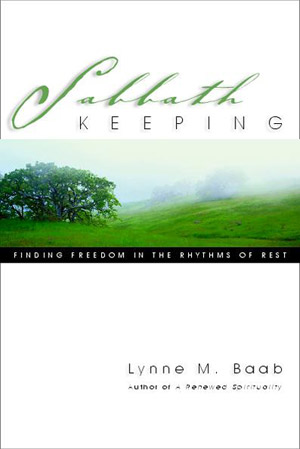
- Most popular book, Sabbath Keeping: Finding Freedom in the Rhythms of Rest (audiobook, paperback, and kindle)
- quick overview of all Lynne's books
- more than 50 articles Lynne has written for magazines on listening, Sabbath, fasting, spiritual growth, resilience for ministry, and congregational communication
You can listen to Lynne talk about these topics:
"Lynne's writing is beautiful. Her tone has such a note of hope and excitement about growth. It is gentle and affirming."
— a reader
"Dear Dr. Baab, You changed my life. It is only through God’s gift of the sabbath that I feel in my heart and soul that God loves me apart from anything I do."
— a reader of Sabbath Keeping
Subscribe
To receive an email alert when a new post is published, simply enter your email address below.
Featured posts
- Drawing Near to God with the Heart: first post of a series »
- Quotations I love: Henri Nouwen on being beloved »
- Worshipping God the Creator: the first post of a series »
- Sabbath Keeping a decade later: the first post of a series »
- Benedictine spirituality: the first post of a series »
- Celtic Christianity: the first post of a series »
- Holy Listening »
- A Cat with a Noble Character »
- Welcome to my website »
Tags
Archive
- October 2026 (1)
- September 2026 (6)
- August 2026 (4)
- July 2026 (5)
- June 2026 (5)
- May 2026 (5)
- April 2026 (3)
- March 2026 (3)
- February 2026 (2)
- January 2026 (6)
- December 2025 (6)
- November 2025 (4)
- October 2025 (3)
- September 2025 (5)
- August 2025 (4)
-
July 2025 (6)
- Praying about the flow of time: Praying about AND — again
- Praying about the flow of time: Praying for our ordinary lives
- Praying about the flow of time: Wind and water
- Praying about the flow of time: Paying attention to our stories
- What I learned from the past year's blog posts
- First post in a new series: Journey
- June 2025 (4)
- May 2025 (4)
- April 2025 (4)
- March 2025 (5)
- February 2025 (4)
- January 2025 (5)
- December 2024 (3)
-
November 2024 (5)
- Praying about the flow of time: Small actions with big benefits
- Praying about the flow of time: The overlap of the sacred and the ordinary
- Praying about the flow of time: The joy of the kingdom of God
- Praying about the flow of time: Advent can be confusing
- Praying about the flow of time: Why Jesus had to come
-
October 2024 (5)
- Praying about the flow of time: Rosh Hashanah, the Jewish New Year
- Praying about the flow of time: A month of celebrating renewal and moral responsibility
- Praying about the flow of time: The Feast of Tabernacles calls us to stay fluid and flexible
- Praying about the flow of time: Daily rhythms of prayer
- Praying about the flow of time: All Hallows Eve and All Saints Day
- September 2024 (3)
- August 2024 (5)
- July 2024 (3)
- June 2024 (5)
- May 2024 (5)
- April 2024 (4)
-
March 2024 (5)
- Friendship, loneliness, and prayer: Praying about distractions from empathy
- Friendship, loneliness, and prayer: Praying to keep empathy flowing
- Friendship, loneliness, and prayer: Everyday initiative
- Friendship, loneliness, and prayer: Praying for guidance for ending conversations
- Friendship, loneliness, and prayer: Reflecting on the series
- February 2024 (4)
- January 2024 (2)
-
December 2023 (6)
- Friendship, loneliness, and prayer: Initiating
- Friendship, loneliness, and prayer: Praying about listening roadblocks
- Friendship, loneliness, and prayer: Praying to love the poverty in our friends
- Friendship, loneliness, and prayer: Praying for “holy curiosity”
- Friendship, loneliness, and prayer: Praying for “holy listening”
- Friendship, loneliness, and prayer: Praying to give affection extravagantly
- November 2023 (4)
-
October 2023 (5)
- Friendship, loneliness and prayer: A listening skill with two purposes
- Friendship, loneliness, and prayer: Saying “thank you” to friends
- Friendship, loneliness, and prayer: One more way reflecting helps us
- Friendship, loneliness, and prayer: Lessons from two periods of loneliness
- Friendship, loneliness, and prayer: Types of reflecting, a listening skill
- September 2023 (4)
- August 2023 (4)
- July 2023 (5)
- June 2023 (3)
- May 2023 (6)
- April 2023 (4)
- March 2023 (4)
- February 2023 (4)
- January 2023 (4)
- December 2022 (5)
- November 2022 (1)
- October 2022 (5)
- September 2022 (5)
-
August 2022 (6)
- Draw near: Confessing sin without wallowing
- Draw near: A favorite prayer about peace, freedom, and much more
- Drawing near with Desmond Tutu: God’s love is the foundation for prayer
- Draw near: Worshipping God with Desmond Tutu
- Draw near: Yearning, beseeching and beholding with Desmond Tutu
- Draw near: Praising God with Desmond Tutu
- July 2022 (2)
- June 2022 (6)
- May 2022 (5)
- April 2022 (6)
- March 2022 (5)
- February 2022 (4)
- January 2022 (3)
- December 2021 (5)
- November 2021 (4)
- October 2021 (5)
- September 2021 (4)
- August 2021 (4)
- July 2021 (4)
- June 2021 (4)
- May 2021 (4)
- April 2021 (5)
- March 2021 (4)
- February 2021 (4)
- January 2021 (4)
- December 2020 (5)
- November 2020 (3)
- October 2020 (5)
- September 2020 (4)
- August 2020 (4)
- July 2020 (5)
- June 2020 (4)
-
May 2020 (4)
- Spiritual diary of sheltering in place: The lifeline of separating thoughts from feelings
- Spiritual diary of sheltering in place: The lifeline of welcoming prayer
- Spiritual diary of sheltering in place: a kite string as a lifeline
- Spiritual diary of sheltering in place: The lifeline of God’s distant future
-
April 2020 (7)
- Spiritual diary of self-isolation: the lifeline of God’s constancy
- Spiritual diary of sheltering in place: The lifeline of accepting my place as a clay jar
- Spiritual diary of sheltering in place: the lifeline of memories
- Spiritual diary of sheltering in place: the lifeline of “Good” in “Good Friday”
- Spiritual diary of sheltering in place: The lifeline of “easier does not mean easy”
- Spiritual diary of sheltering in place: The lifeline of nature
- Spiritual diary of sheltering in place: the lifeline of God’s voice through the Bible
-
March 2020 (7)
- Important anniversaries in 2020: The first Earth Day in 1970
- Important anniversaries in 2020: Florence Nightingale was born in 1820
- Spiritual diary of self-isolation: Weeks 1 and 2
- Spiritual diary of self-isolation: God's grace as a lifeline
- Spiritual diary of self-isolation: The lifeline of limits on thoughts
- Spiritual diary of self-isolation: Wrestling with God for a blessing
- Spiritual diary of self-isolation: Responding to terror by listening to Jesus voice
- February 2020 (4)
- January 2020 (5)
- December 2019 (4)
- November 2019 (4)
- October 2019 (5)
- September 2019 (4)
- August 2019 (5)
- July 2019 (4)
- June 2019 (4)
- May 2019 (5)
- April 2019 (4)
- March 2019 (4)
- February 2019 (4)
-
January 2019 (5)
- Nurturing friendships in a cellphone world: Jesus as Friend
- Nurturing friendships in a cellphone world: Friendship with Christ and friendship with others
- Nurturing friendships in a cellphone world: Who is my neighbor?
- Nurturing friendships in a cellphone world: Friendship as action
- Nurturing friendships in a cellphone world: Hymns that describe friendship with God
- December 2018 (3)
-
November 2018 (5)
- Connections between the Bible and prayer: Sensory prayer in Revelation
- First post in a new series: Nurturing friendships in a cellphone world
- Nurturing friendships in a cellphone world: Strong opinions and responses
- Nurturing friendships in a cellphone world: My conversation partners about friendship
- Nurturing friendships in a cellphone world: Two views about communication technologies
- October 2018 (4)
- September 2018 (4)
-
August 2018 (5)
- Providing Christian Care in Our Time
- Providing Christian care in our time: Seven trends in pastoral care today
- Providing Christian Care in Our Time: Skills for Pastoral Care
- Providing Christian care: The importance of spiritual practices
- First post in a new series: Connections between the Bible and prayer
- July 2018 (4)
- June 2018 (4)
- May 2018 (5)
- April 2018 (4)
- March 2018 (5)
- February 2018 (4)
- January 2018 (4)
- December 2017 (5)
- November 2017 (4)
- October 2017 (4)
- September 2017 (5)
- August 2017 (4)
- July 2017 (4)
- June 2017 (4)
-
May 2017 (5)
- My new spiritual practice: Separating thoughts from feelings
- My new spiritual practice: Feeling the feelings
- My new spiritual practice: Coping with feelings that want to dominate
- My new spiritual practice: Dealing with “demonic” thoughts
- My new spiritual practice: Is self-compassion really appropriate for Christians?
- April 2017 (4)
- March 2017 (5)
- February 2017 (4)
- January 2017 (4)
- December 2016 (5)
- November 2016 (4)
- October 2016 (4)
- September 2016 (5)
- August 2016 (4)
- July 2016 (4)
- June 2016 (4)
- May 2016 (5)
- April 2016 (4)
- March 2016 (5)
- February 2016 (4)
- January 2016 (4)
- December 2015 (4)
- November 2015 (4)
- October 2015 (5)
- September 2015 (4)
- August 2015 (4)
- July 2015 (4)
- June 2015 (4)
- May 2015 (4)
- April 2015 (6)
- March 2015 (4)
- February 2015 (4)
- January 2015 (4)
- December 2014 (5)
- November 2014 (4)
- October 2014 (4)
- September 2014 (4)
- August 2014 (5)
- July 2014 (4)
- June 2014 (7)